What Invisalign Treatment Really Involves: A Guide for Adults and Teens
Understanding Invisalign as a Straightening Option
When people hear "Invisalign treatment," many picture a set of clear aligners that straighten teeth without the metal and brackets of traditional braces. That picture is accurate as far as it goes, but the reality involves more planning, compliance, and aftercare than most expect. I have worked with dozens of patients who chose this route, and the outcomes depend heavily on how well they understand the process before they start.
The aligners themselves are made from a medical-grade polyurethane resin. They fit snugly over the teeth and apply gentle, controlled forces to move them into better positions. Unlike fixed braces, these aligners are removable, which means eating and brushing become simpler. But that removability also introduces a risk: if the patient does not wear them for the required twenty to twenty-two hours per day, the treatment stalls. I have seen patients who thought they could skip a few hours here and there, only to add months to their total timeline.
One practice that handles this well is scottishorthodontics invisalign treatment. Their approach emphasizes education from the first consultation, so patients know exactly what commitment looks like before they commit financially or emotionally.
Who Is a Good Candidate for Invisalign
Invisalign works best for people with mild to moderate crowding, spacing, or bite issues. Severe rotations or vertical discrepancies sometimes still require traditional braces or additional appliances. An orthodontist will take digital scans, X-rays, and photos to map out the movement. These scans feed into software that simulates the entire treatment, showing the final result before a single aligner is made.
Teens and adults both qualify, but younger patients need to have most of their permanent teeth erupted. For children who still have baby molars, fixed braces are often the better choice. Adults, especially those in professional roles, often prefer Invisalign because the aligners are nearly invisible. I have treated lawyers, teachers, and retail workers who felt self-conscious about metal braces but were fine wearing clear aligners during meetings or customer interactions.
What the Process Looks Like Step by Step
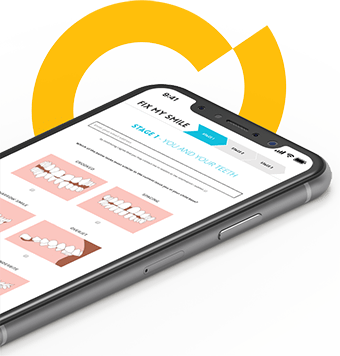
The first appointment involves a thorough exam and discussion of goals. The orthodontist checks gum health, tooth condition, and bite classification. Any untreated cavities or gum disease must be resolved before aligners can be fitted. Then digital impressions are taken. No goopy trays, just a wand that scans the mouth and builds a 3D model.
From that model, the software plans each tooth movement in stages. The patient receives a series of aligners, each worn for about one to two weeks. Every aligner in the series moves the teeth a little closer to the target. Patients typically change to the next set at home, following the orthodontist's schedule. Checkups happen every six to eight weeks to monitor progress and adjust if teeth are not tracking as expected.
Total treatment time ranges from six months for minor corrections to eighteen months or more for complex cases. The average falls around twelve to fourteen months. That is shorter than many fixed brace treatments, but not by a huge margin. The main advantage is convenience, not speed.
Comfort and Adjustment Period
When a new aligner is first inserted, there is pressure. It is not sharp pain, but a dull ache that lasts a day or two. Over-the-counter pain relief usually helps, and the discomfort fades as the teeth begin to move. Speaking can feel odd for the first few days because the aligners take up space on the palate and behind the lips. Most people adjust within a week.
One practical issue that surprises patients is the lisp. The aligners cover the lingual surfaces of the front teeth, which affects tongue placement for sounds like "s" and "z." Reading aloud for a few minutes each day speeds up adaptation. I have seen patients who practiced tongue twisters and sounded normal within three days.
Daily Life with Aligners
Aligners must be removed for eating and drinking anything other than water. That means carrying a case everywhere and remembering to brush before putting them back in. Sugary drinks left on the aligners can cause decay, and trapped food particles lead to bad breath. Patients who skip cleaning risk staining the aligners or, worse, damaging enamel.
Brushing routine changes slightly. Flossing is still necessary, and some people find it easier to floss after removing the aligners rather than before. Using a fluoride mouthwash at night helps protect areas where aligners trap plaque. I recommend keeping a travel toothbrush in a bag or desk drawer for midday cleaning.

Sports and playing wind instruments require extra planning. Contact sports need a mouthguard over the aligners. Woodwind and brass players often need a short break to reacclimatize to their instrument after each aligner change. The embouchure adjusts, but it does not take long.
Retention: The Part Nobody Talks About
After the active phase of Invisalign treatment ends, the real work begins. Teeth have a strong memory and want to shift back to their original positions. Without retention, relapse can happen within months. Most orthodontists prescribe a fixed retainer bonded to the back of the front teeth, plus a removable retainer worn at night. Some patients need both.
I have seen people who invested thousands in straightening their teeth only to neglect the retainer phase. Within a year, gaps reappeared and crowding returned. Retention is not optional; it is part of the treatment cost, both financially and in terms of daily habit. Scottish Orthodontics stresses this point heavily, and their follow-up care includes clear instructions on how long to wear retainers.
Comparing Invisalign to Other Options
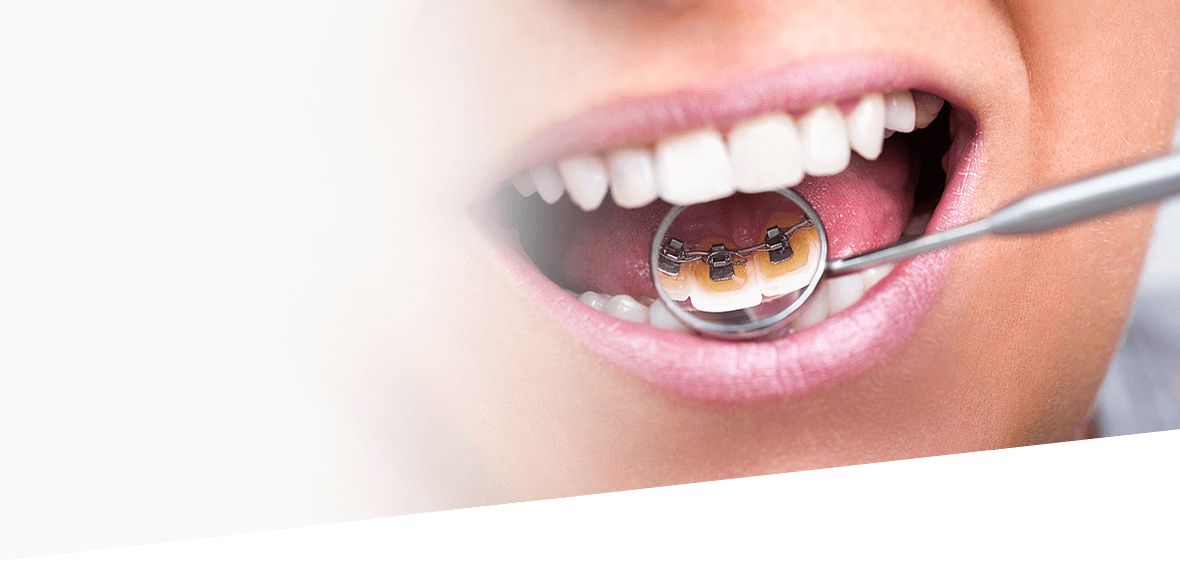
Traditional braces are still excellent for complex corrections, especially when teeth need rotation or vertical movement. Lingual braces, which sit on the inside of the teeth, offer invisibility but can be harder to clean and more uncomfortable. Clear aligners occupy a middle ground: visible but subtle, comfortable enough for daily wear, and removable for meals.
Cost varies by case complexity and location. Invisalign tends to be priced similarly to ceramic braces, sometimes slightly higher because of the digital planning and custom fabrication. Many practices offer payment plans, and some dental insurance policies cover part of the orthodontic treatment regardless of the appliance type.
Why Experience Matters
Not every orthodontist has the same level of experience with clear aligner systems. Invisalign requires specific training and a good understanding of the software used to plan tooth movements. A well-trained orthodontist can anticipate problems, such as when a tooth is likely to hit the opposing arch or when attachments are needed for stubborn rotations. That is why I always advise patients to choose a provider who handles a high volume of Invisalign cases.
Scottish Orthodontics is one example of a practice where the team has refined their workflow over many cases. Their approach to scottishorthodontics invisalign treatment includes detailed progress checks and a willingness to adjust the plan if teeth do not respond as predicted. That kind of hands-on attention makes a real difference when treatment hits a snag.
Setting Realistic Expectations
Invisalign can straighten teeth, improve bite, and boost confidence. But it cannot fix severe skeletal discrepancies without adjunctive surgery, and it will not change the shape of the jaw or the width of the palate. Some patients come in expecting a total facial transformation. What they get is a better smile and healthier occlusion, which is still a significant improvement for most.
The aligners themselves require discipline. Patients who travel frequently, have irregular schedules, or struggle with routine may find it harder to stay compliant. For those who can commit, the results are reliable and the process is far less intrusive than many imagine.
I have seen patients finish their scottishorthodontics invisalign treatment and say they barely remember wearing the aligners. That is a good sign. It means the treatment became part of their life without dominating it. If you are considering this path, go in with open eyes, a clear schedule, and a willingness to wear retainers for the long haul. The outcome is worth the effort.
 Facebook
 Instagram